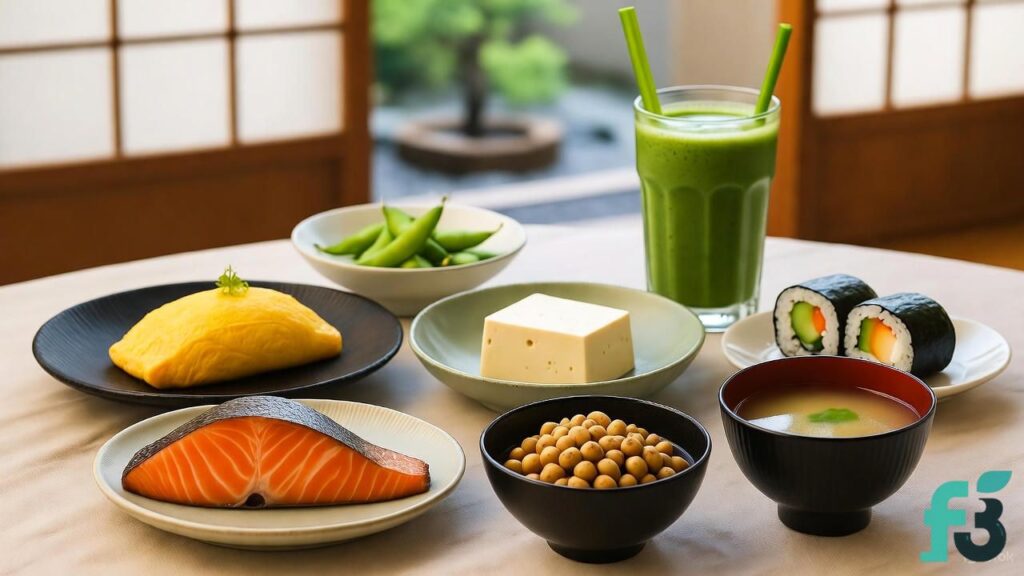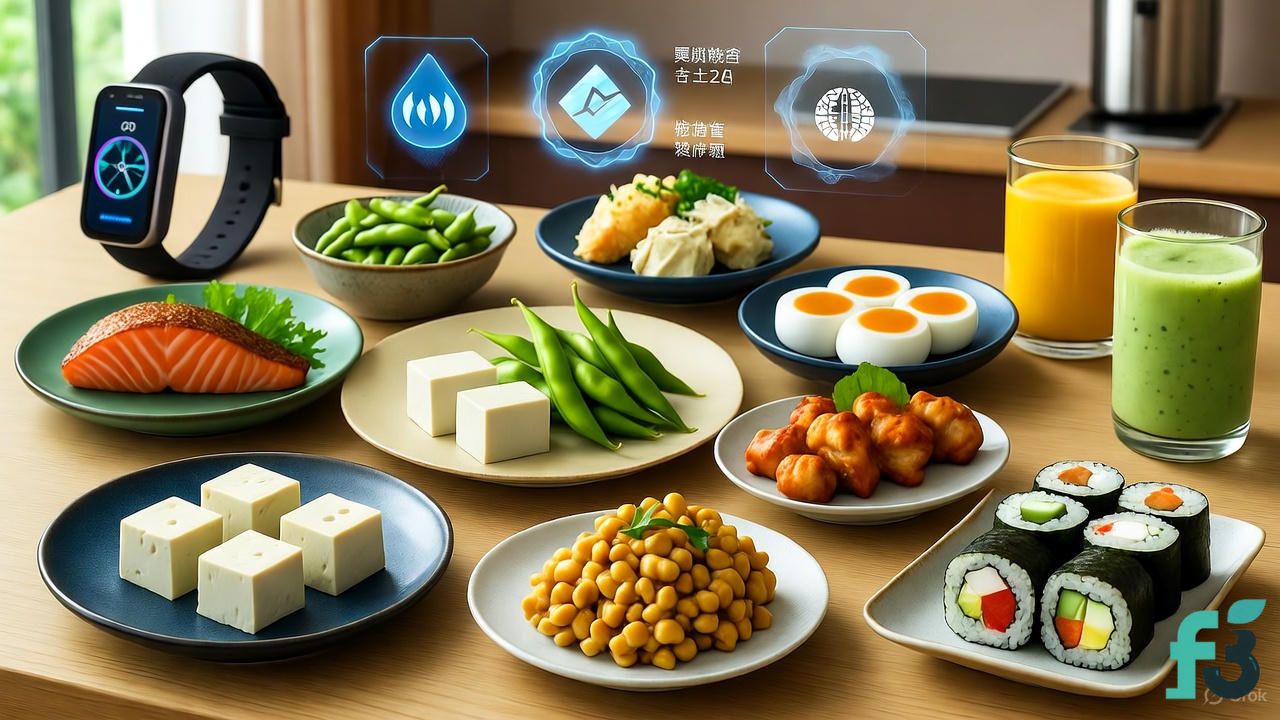
Japan’s dietary landscape is undergoing a remarkable transformation in 2025, with high protein foods taking center stage in what experts are calling a “protein revolution.” According to recent market analysis from October 2025, Japan’s healthy snack market is experiencing unprecedented growth, with protein-enriched products evolving from niche functional foods into mainstream dietary staples. This shift represents more than just a passing trend—it’s a fundamental change in how Japanese consumers approach nutrition and wellness.
The demand for high protein foods has surged dramatically, with 25-33% of Japanese consumers reporting increased consumption of protein-enriched products in the past year alone. What’s particularly fascinating is that this movement extends far beyond athletes and bodybuilders. Office workers, students, middle-aged consumers, and even elderly individuals are embracing high protein foods as essential components of their daily diets.
This comprehensive guide explores the most delicious and nutritious high protein foods available in Japan, from traditional favorites to innovative modern creations that are revolutionizing the nation’s approach to healthy eating.
Understanding the High Protein Foods Boom in Japan
Why High Protein Foods Matter
Protein serves as the fundamental building block for human health, playing crucial roles in muscle development, tissue repair, immune function, and enzyme production. The Japanese government’s National Health and Nutrition Survey (2023) by the Ministry of Health, Labour and Welfare revealed concerning trends: individuals aged 20-40 still consume sugar above WHO-recommended levels, while obesity rates show slight increases, prompting heightened public concern over dietary health.
High protein foods offer solutions to these challenges by:
- Promoting satiety: Helping control hunger and reduce overall calorie intake
- Supporting muscle maintenance: Especially crucial for Japan’s aging population
- Stabilizing blood sugar: Preventing energy crashes and reducing sugar cravings
- Enhancing metabolism: Supporting healthy weight management
- Improving recovery: Accelerating post-workout muscle repair
The Market Explosion
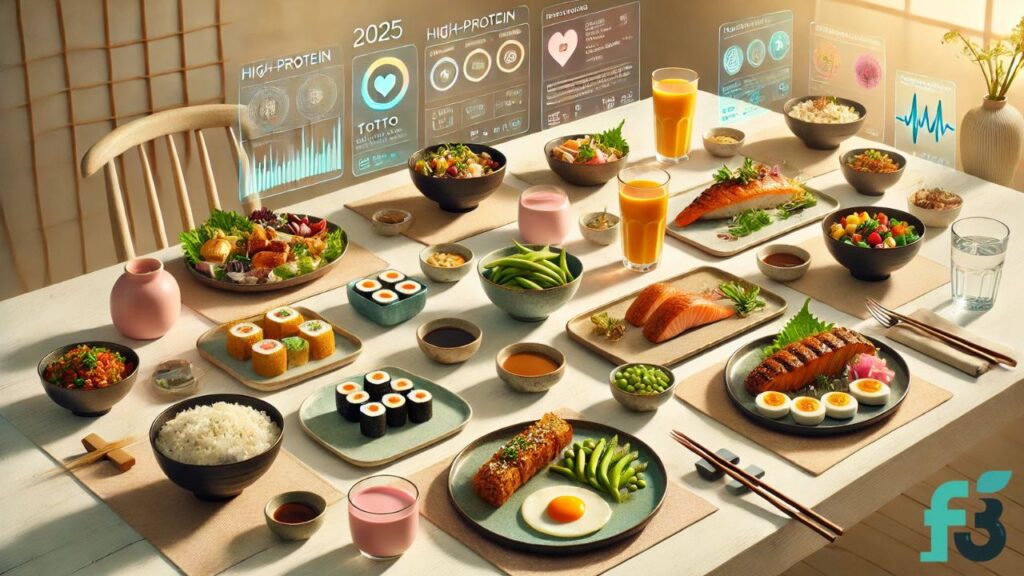
Japan’s protein market reached an impressive USD 1.7 billion in 2024, with projections indicating growth to USD 2.9 billion by 2033—representing a compound annual growth rate (CAGR) of 5.61%. The protein supplements sector alone is expanding even faster, valued at USD 1,549 million in 2024 and expected to reach USD 3,065 million by 2033, with a CAGR of 7.9%.
Consumer behavior statistics reveal the depth of this transformation: over 76% of Japanese consumers aged 20-50 now consider nutritional content when purchasing snacks, with more than half willing to pay premium prices for healthier formulations.
Traditional Japanese High Protein Foods That Taste Incredible
Natto: The Fermented Superfood
Protein Content: 16.5 grams per 100 grams
Natto, fermented soybeans with a distinctive stringy texture, ranks among Japan’s most powerful high protein foods. This traditional breakfast staple has been consumed since the Heian period (794-1185) and offers extraordinary health benefits beyond its impressive protein content.
Nutritional Benefits:
- Contains nattokinase enzyme for improved blood circulation
- Excellent source of vitamin K2 for bone health
- Rich in probiotics supporting digestive health
- Helps prevent blood clots and reduces hypertension risk
Taste Profile: Earthy, slightly bitter with umami undertones. Best enjoyed over hot rice with soy sauce, mustard, and green onions.
Where to Find: Available at all Japanese supermarkets and convenience stores, typically in small styrofoam containers.
Tofu: The Versatile Protein Champion
Protein Content: 8-15 grams per 100 grams (depending on firmness)
Tofu remains one of Japan’s most beloved high protein foods, offering incredible versatility for various dishes. The 2025 market has seen innovative developments, including “tofu bars”—extra-firm tofu with reduced water content, available in flavors like honey, dashi stock, and yuzu kosho.
Types of Tofu:
| Tofu Type | Protein (per 100g) | Best Uses |
|---|---|---|
| Silken Tofu | 5.3g | Miso soup, cold dishes, smoothies |
| Soft Tofu | 6.9g | Hot pot, braised dishes |
| Firm Tofu | 10.1g | Stir-fries, grilling, baking |
| Extra-Firm Tofu | 12.4g | Deep-frying, tofu steaks |
| Freeze-Dried Tofu | 49.4g | Soups, simmered dishes |
Preparation Tips: Press firm tofu to remove excess moisture before cooking for better texture. Marinate in soy sauce, mirin, and ginger for enhanced flavor.
Edamame: The Perfect Protein Snack
Protein Content: 11.9 grams per 100 grams
Edamame—young soybeans in their pods—represents one of the few plant-based foods providing complete protein with all nine essential amino acids. This popular izakaya snack has transcended its traditional role to become a mainstream high protein food consumed throughout the day.
Health Benefits:
- High in methionine, supporting liver function and alcohol metabolism
- Rich in vitamin C and isoflavones for skin health
- Contains fiber for digestive wellness
- Suitable for children as healthy snacks or mashed baby food
Serving Suggestions: Lightly boiled with sea salt, added to salads, or incorporated into rice dishes and stir-fries.
Miso: The Fermented Protein Powerhouse
Protein Content: 12.8 grams per 100 grams
Miso, made from fermented soybeans, rice, salt, and kojikin fungus, stands as a cornerstone of Japanese cuisine and one of the most versatile high protein foods. Beyond its famous soup application, miso serves as marinade, dip, spread, and seasoning base.
Nutritional Profile:
- Contains three essential nutrients: protein, carbohydrates, and lipids
- Rich in vitamins B1, B2, B6, B12, E, K, niacin, and folic acid
- Provides minerals including sodium, calcium, potassium, magnesium, iron, zinc
- Fermentation produces nine essential amino acids
Quality Matters: Choose high-quality miso brands like Hikari Miso for maximum nutritional benefits and authentic flavor.
Modern High Protein Foods Taking Japan by Storm
Salad Chicken (Sarada Chikin)
Protein Content: 23-26 grams per package (110g)
Salad chicken has become a convenience store phenomenon, representing one of the most popular high protein foods among Japanese consumers. These boneless, skinless, pre-cooked chicken breast fillets require no preparation and come in diverse flavors.
Popular Varieties:
- Plain (smoke flavor)
- Teriyaki
- Black pepper
- Herb and lemon
- Garlic
- Yuzu kosho
Nutritional Stats (Average):
- Calories: 130-140 per package
- Protein: 26g
- Fat: 2-3g
- Carbohydrates: 1-2g
Consumer Appeal: The combination of high protein content, low calories, and convenience makes salad chicken ideal for busy professionals, fitness enthusiasts, and health-conscious consumers.
High Protein Yogurt
Protein Content: 10-15 grams per serving
The high protein yogurt segment has exploded in Japan’s convenience stores and supermarkets. These products typically feature zero sugar formulations with significantly enhanced protein content compared to traditional yogurt.
Market Performance: Recent data shows 54% of Japanese consumers have purchased high protein yogurt in the last six months, making it one of the fastest-growing segments.
Notable Features:
- Greek-style thick texture
- Various flavors (plain, vanilla, blueberry, strawberry)
- Often fortified with vitamins and minerals
- Suitable for breakfast, snacks, or post-workout recovery
Protein Bars and Cookies
Protein Content: 10-20 grams per bar
Japan’s convenience stores now stock extensive selections of high protein foods in bar and cookie formats. Market research indicates 56% of consumers have purchased high protein cookies in recent months, while 66% have bought protein bars.
Product Innovations:
- Matcha-flavored protein bars
- Red bean paste protein cookies
- Rice cracker protein snacks
- Chocolate-coated protein bars with Japanese flavors
Taste Revolution: Unlike early protein bars that prioritized function over flavor, 2025’s offerings deliver genuine indulgence alongside nutrition, addressing the 36% of Japanese snackers motivated by taste pleasure.
Protein-Enhanced Convenience Store Foods
Japan’s convenience stores—particularly 7-Eleven, Lawson, and FamilyMart—have become unexpected champions of high protein foods, offering remarkable variety for health-conscious consumers.
7-Eleven Protein Selection:
| Product | Protein | Calories | Price Range |
|---|---|---|---|
| Protein Milk (430ml) | 15-20g | 180-220 | ¥180-250 |
| Grilled Chicken Skewers | 15-18g | 200-250 | ¥150-200 |
| Hard-Boiled Eggs (pack) | 12g | 140 | ¥100-150 |
| Seafood Stick | 8-10g | 80-100 | ¥120-180 |
| Chicken Egg Salad | 22.7g | 250-300 | ¥300-400 |
Fish and Seafood: Japan’s Traditional High Protein Foods
Fresh Fish (Sashimi)
Protein Content: 20-26 grams per 100 grams
Japan’s seafood culture provides exceptional access to high protein foods that are both delicious and nutritious. Fresh fish offers complete protein with essential omega-3 fatty acids.
Top Protein Sources:
| Fish Type | Protein (per 100g) | Omega-3 Content |
|---|---|---|
| Tuna (Maguro) | 26.4g | High |
| Salmon | 20.1g | Very High |
| Mackerel (Saba) | 20.8g | High |
| Yellowtail (Buri) | 21.4g | Medium-High |
| Sea Bream (Tai) | 20.6g | Medium |
| Octopus (Tako) | 16.4g | Low |
Preparation Methods: Sashimi (raw), grilled (shioyaki), simmered (nitsuke), or steamed. Convenience stores sell ready-to-eat microwaveable fish portions, making these high protein foods accessible for busy lifestyles.
Dried Fish and Seafood Products
Protein Content: 30-60 grams per 100 grams
Dried and processed seafood products concentrate protein content, creating incredibly nutrient-dense high protein foods perfect for snacking or meal additions.
Popular Options:
- Surimi (fish cake): 12-15g protein per 100g
- Dried squid: 69g protein per 100g
- Kamaboko (fish paste): 12g protein per 100g
- Seafood sticks: 10-12g protein per stick
Plant-Based High Protein Foods: The Rising Trend
The Plant Protein Revolution
Japan’s plant-based protein market reached USD 297.5 million in 2023, with projections to reach USD 356.3 million by 2032, exhibiting a CAGR of 2.61%. This growth reflects increasing consumer awareness about environmental sustainability and ethical food choices.
Soy-Based High Protein Foods
Beyond tofu and natto, Japan offers diverse soy-based high protein foods:
Soy Meat (Textured Vegetable Protein)
- Protein: 50g per 100g (dry weight)
- Applications: Ground meat substitute, nuggets, strips
- Market growth: 8.6% CAGR (2025-2035)
Soymilk
- Protein: 3.6g per 100ml
- Variations: Plain, flavored, fortified versions
- Cultural acceptance: Long-standing Japanese dietary staple
Yuba (Tofu Skin)
- Protein: 21.8g per 100g
- Texture: Delicate, slightly chewy
- Uses: Sushi rolls, hot pot, salads
Emerging Plant Proteins
Pea Protein Products
- Growing availability in protein powders
- Used in meat alternatives
- Allergen-friendly option
Rice Protein Snacks
- Traditional rice crackers enhanced with protein
- Modern protein rice bars
- Suitable for gluten-sensitive consumers
Duckweed Protein (Innovative)
- Market projected at USD 4.7 million (2025)
- Extremely sustainable production
- High nutritional profile with minimal environmental impact
High Protein Foods for Active Lifestyles
Pre-Workout Protein Options
Optimal pre-workout nutrition requires easily digestible high protein foods consumed 30-60 minutes before exercise.
Japanese Pre-Workout Choices:
- Onigiri with Salmon: Rice provides carbohydrates for energy, salmon delivers protein (15-20g)
- Miso Soup with Tofu: Light, easily digestible protein (8-12g) with hydration
- Edamame: Quick protein (12g per cup) with fiber
- Banana with Protein Yogurt: Combines fast carbs with protein (12-15g)
Post-Workout Recovery Foods
Post-workout windows (30-60 minutes after exercise) benefit from high protein foods combined with carbohydrates for optimal recovery.
Recovery Meal Options:
| Meal | Protein | Carbs | Recovery Benefits |
|---|---|---|---|
| Grilled Salmon with Rice | 28g | 45g | Omega-3s reduce inflammation |
| Chicken Teriyaki Bowl | 32g | 50g | Complete amino acid profile |
| Tofu and Vegetable Stir-Fry | 18g | 35g | Plant-based recovery |
| Protein-Rich Bento | 30-40g | 60g | Balanced macronutrients |
Protein Requirements for Athletes
Japanese sports nutrition experts recommend 1.6-2.2 grams of protein per kilogram of lean body mass for individuals engaged in regular resistance training or intense athletic activities.
Daily Protein Targets:
- Sedentary adults: 0.8g per kg body weight
- Recreational fitness: 1.2-1.6g per kg
- Serious athletes: 1.6-2.2g per kg
- Elderly individuals: 1.0-1.2g per kg (muscle preservation)
High Protein Foods for Weight Management
Satiety and Weight Loss
High protein foods support weight management through multiple mechanisms, making them central to Japan’s growing wellness movement.
Weight Management Benefits:
- Increased Satiety: Protein triggers release of fullness hormones
- Thermic Effect: Body burns more calories digesting protein (20-30% of calories consumed)
- Muscle Preservation: Maintains lean mass during calorie restriction
- Blood Sugar Stability: Prevents energy crashes and cravings
Low-Calorie High Protein Foods
Best Options for Weight Loss:
| Food | Calories | Protein | Protein:Calorie Ratio |
|---|---|---|---|
| Chicken Breast | 165 | 31g | 19% |
| Cod Fish | 82 | 18g | 22% |
| Egg Whites | 52 | 11g | 21% |
| Greek Yogurt (plain) | 59 | 10g | 17% |
| Tofu (firm) | 76 | 8g | 11% |
| Edamame | 122 | 11g | 9% |
Shopping Guide: Where to Find High Protein Foods in Japan
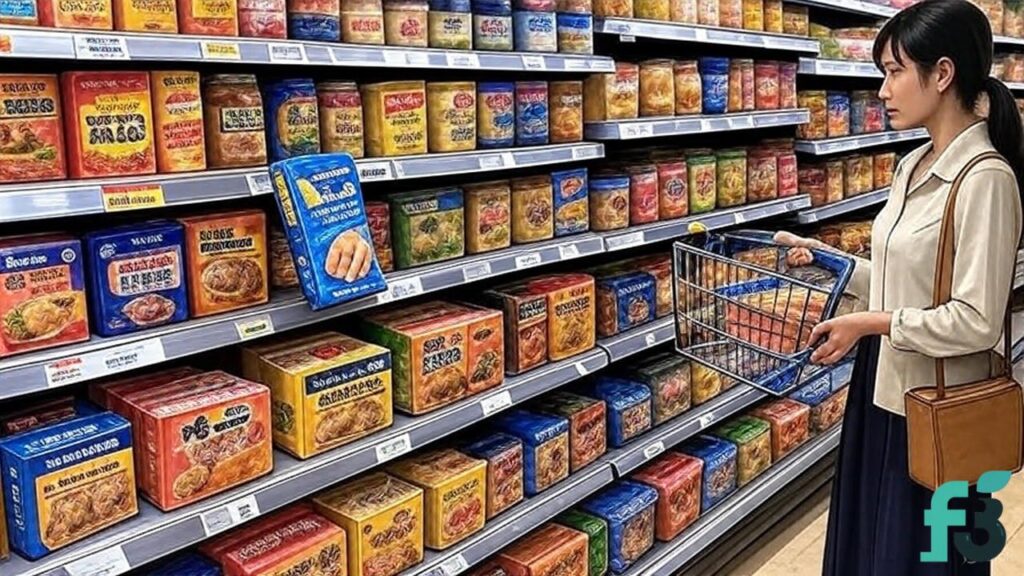
Convenience Stores (Konbini)
Japan’s ubiquitous convenience stores have emerged as unexpected leaders in high protein foods accessibility.
7-Eleven Protein Highlights:
- Extensive salad chicken selection
- Multiple protein drink options
- Hard-boiled eggs and egg salads
- Protein yogurt variety
- Grilled fish portions
- Protein bars and snacks
Lawson Protein Features:
- Natural Lawson health-focused sections
- Protein-enriched bread
- High-protein bento boxes
- Organic protein options
FamilyMart Offerings:
- FamilyMart Collection protein items
- Collaboration protein products
- Seasonal protein-rich foods
Supermarkets
Major supermarket chains provide comprehensive high protein foods selections:
Aeon/MaxValu: Wide range of fresh fish, meat, tofu varieties, and international protein products
Ito Yokado: Excellent prepared foods section with protein-focused bentos
Life/Summit: Local selections with traditional high protein foods
Specialty Stores
Sports Nutrition Shops:
- Alpen: Major sporting goods chain with protein powder section
- Gold’s Gym: Gym-affiliated stores with premium supplements
- Haleo: Japanese sports nutrition brand retailers
Health Food Stores:
- Natural Lawson: Health-focused convenience format
- Bio c’ Bon: Organic and natural products
- Cosme Kitchen: Natural foods and supplements
Online Shopping
Major Platforms:
- Amazon Japan: Extensive protein powder and supplement selection
- Rakuten: Japanese protein brands and imports
- iHerb: International supplements with Japan delivery
- SayWeee: Asian specialty foods including Japanese protein products
Meal Planning with High Protein Foods
Daily Meal Structure
Breakfast (25-30g protein)
- Natto over rice with raw egg
- Greek yogurt with granola and nuts
- Salmon onigiri with miso soup
- Protein pancakes (available at cafes)
Lunch (30-40g protein)
- Salad chicken bento
- Grilled fish teishoku
- Tofu and vegetable stir-fry
- Soba noodles with tempura
Dinner (35-45g protein)
- Shabu-shabu (hot pot) with beef/pork
- Grilled salmon with vegetables
- Chicken teriyaki with rice
- Mapo tofu
Snacks (10-15g protein each)
- Edamame
- Protein bar
- Hard-boiled eggs
- Protein yogurt
- Cheese and nuts
Weekly Meal Prep Ideas
Batch Cooking High Protein Foods:
- Protein Bases: Grill chicken breasts, bake salmon fillets, prepare tofu blocks
- Portable Options: Make onigiri with various protein fillings
- Soup Preparations: Create miso soup base with tofu and wakame
- Snack Portions: Pre-portion edamame, boiled eggs, yogurt
Protein Supplements in Japan
Protein Powder Market
Japan’s protein supplements market reached USD 1,549 million in 2024, driven by convenience and concentrated nutrition.
Popular Japanese Brands:
| Brand | Specialty | Price Range |
|---|---|---|
| SAVAS | Most common, various flavors | ¥3,000-5,000/kg |
| DNS | Premium formulations | ¥4,500-7,000/kg |
| Kentai | Affordable options | ¥2,500-4,000/kg |
| MyProtein Japan | International quality | ¥3,000-5,500/kg |
| Alpron | Domestic manufacturer | ¥2,800-4,500/kg |
Unique Japanese Flavors:
- Matcha green tea
- Coffee
- Soy milk
- Yuzu citrus
- Red bean
- Ramune soda
Protein Drinks and Ready-to-Drink Options
Ready-to-drink protein beverages have captured significant market share due to unmatched convenience.
Market Leaders:
- SAVAS Milk Protein: 15-20g protein, multiple flavors
- The Tanpaku: Protein-focused brand with 20-30g per bottle
- Meiji Protein: Established dairy company offerings
- Quest Protein Milkshakes: 45g protein (launched March 2025)
Cultural Considerations and Eating Habits
Japanese Portion Philosophy
Traditional Japanese eating emphasizes balance and moderation rather than large protein portions. The “ichiju sansai” (one soup, three dishes) format naturally incorporates diverse protein sources.
Typical Portions:
- Fish: 70-100g per serving
- Meat: 80-120g per serving
- Tofu: 100-150g per serving
- Eggs: 1-2 eggs
- Natto: 40-50g package
Balancing Protein with Traditional Diet
While increasing protein intake, Japanese consumers maintain cultural food values:
Balance Principles:
- Combine high protein foods with rice and vegetables
- Maintain variety across protein sources
- Include fermented foods for gut health
- Emphasize seasonal ingredients
- Practice mindful eating (hara hachi bu – eating until 80% full)
Health Considerations and Expert Recommendations
Protein Quality and Bioavailability
Not all protein sources offer equal nutritional value. Japanese health experts emphasize protein quality alongside quantity.
Complete vs. Incomplete Proteins:
Complete Proteins (contain all essential amino acids):
- All animal proteins (fish, meat, eggs, dairy)
- Soy products (tofu, natto, edamame)
- Quinoa (increasingly available in Japan)
Incomplete Proteins (lack one or more essential amino acids):
- Most other legumes
- Nuts and seeds
- Grains
- Solution: Combine different incomplete proteins (e.g., rice and beans)
Potential Concerns
Kidney Health: While high protein diets are safe for healthy individuals, those with existing kidney conditions should consult physicians before significantly increasing protein intake.
Calcium Balance: Very high animal protein intake may increase calcium excretion. Japanese diet’s inclusion of calcium-rich seaweed and small fish helps maintain balance.
Digestive Considerations: Sudden increases in protein intake may cause digestive discomfort. Gradually increase consumption while maintaining adequate hydration and fiber intake.
Future Trends in Japanese High Protein Foods
Market Projections 2025-2033
Multiple market analyses project continued explosive growth in Japan’s high protein foods sector:
- Overall protein market: USD 1.7 billion (2024) → USD 2.9 billion (2033)
- Protein supplements: USD 1,549 million (2024) → USD 3,065 million (2033)
- Plant-based proteins: USD 297.5 million (2023) → USD 356.3 million (2032)
Innovation Horizons
Emerging Technologies:
- Cultured Meat: Laboratory-grown protein receiving research attention
- Fermentation-Based Proteins: Beyond traditional fermented foods
- Insect Proteins: Sustainable protein source under development
- Precision Fermentation: Creating dairy proteins without animals
Product Development Trends:
- Personalized Nutrition: Protein products tailored to individual needs
- Clean Label: Emphasis on minimal, recognizable ingredients
- Functional Additions: Combining protein with probiotics, vitamins, adaptogens
- Flavor Innovation: Continued development of Japanese-inspired protein products
- Sustainable Sourcing: Environmental impact becoming purchasing factor
Also Read: Weight Loss Without Gym: Complete Japanese-Inspired Guide 2025
Consumer Behavior Evolution
Demographic Shifts:
- Aging Population: Increased focus on muscle preservation protein products
- Young Urban Professionals: Convenience-oriented high protein foods
- Fitness Enthusiasts: Specialized sports nutrition products
- Eco-Conscious Consumers: Plant-based and sustainable protein sources
Recipes: Delicious High Protein Foods at Home
High Protein Japanese-Inspired Recipes
1. Protein-Packed Miso Soup (20g protein)
Ingredients:
- 150g firm tofu, cubed
- 2 tablespoons miso paste
- 1 soft-boiled egg
- 30g wakame seaweed
- Green onions
- 2 cups dashi broth
2. Teriyaki Chicken Power Bowl (40g protein)
Ingredients:
- 150g chicken breast
- 100g edamame
- 1 soft-boiled egg
- Brown rice
- Teriyaki sauce
- Sesame seeds
3. Natto Power Breakfast (25g protein)
Ingredients:
- 1 pack natto (40g)
- 1 raw egg
- Rice
- Nori seaweed
- Soy sauce
- Green onions
4. Tofu Steak with Ginger Sauce (22g protein)
Ingredients:
- 200g extra-firm tofu
- Ginger soy glaze
- Sesame oil
- Vegetables
Conclusion: Embracing High Protein Foods the Japanese Way
Japan’s 2025 protein revolution represents a remarkable fusion of traditional wisdom and modern nutritional science. The country’s approach to high protein foods demonstrates that healthy eating need not sacrifice flavor, convenience, or cultural identity.
From ancient fermented soybeans to cutting-edge protein innovations available at every convenience store corner, Japan offers unparalleled access to delicious, nutritious high protein foods. Whether you’re a fitness enthusiast seeking optimal performance, a busy professional requiring convenient nutrition, or simply someone pursuing better health, Japan’s diverse high protein foods landscape provides endless options.
The sustained market growth—with the protein sector expected to nearly double by 2033—indicates this isn’t a passing fad but a fundamental shift in Japanese dietary culture. As consumers increasingly prioritize health, sustainability, and convenience, high protein foods will continue evolving to meet these demands.
Key Takeaways:
- Japan offers exceptional variety in both traditional and modern high protein foods
- Convenience stores provide remarkable accessibility to protein-rich options
- Plant-based protein options are expanding rapidly
- Quality and taste remain paramount in Japanese protein products
- The market will continue growing through 2033 and beyond
Whether incorporating natto into breakfast, grabbing salad chicken at the konbini, or exploring innovative protein snacks, Japanese high protein foods prove that nutrition and deliciousness can coexist perfectly. The future of protein in Japan looks bright, sustainable, and absolutely delicious.