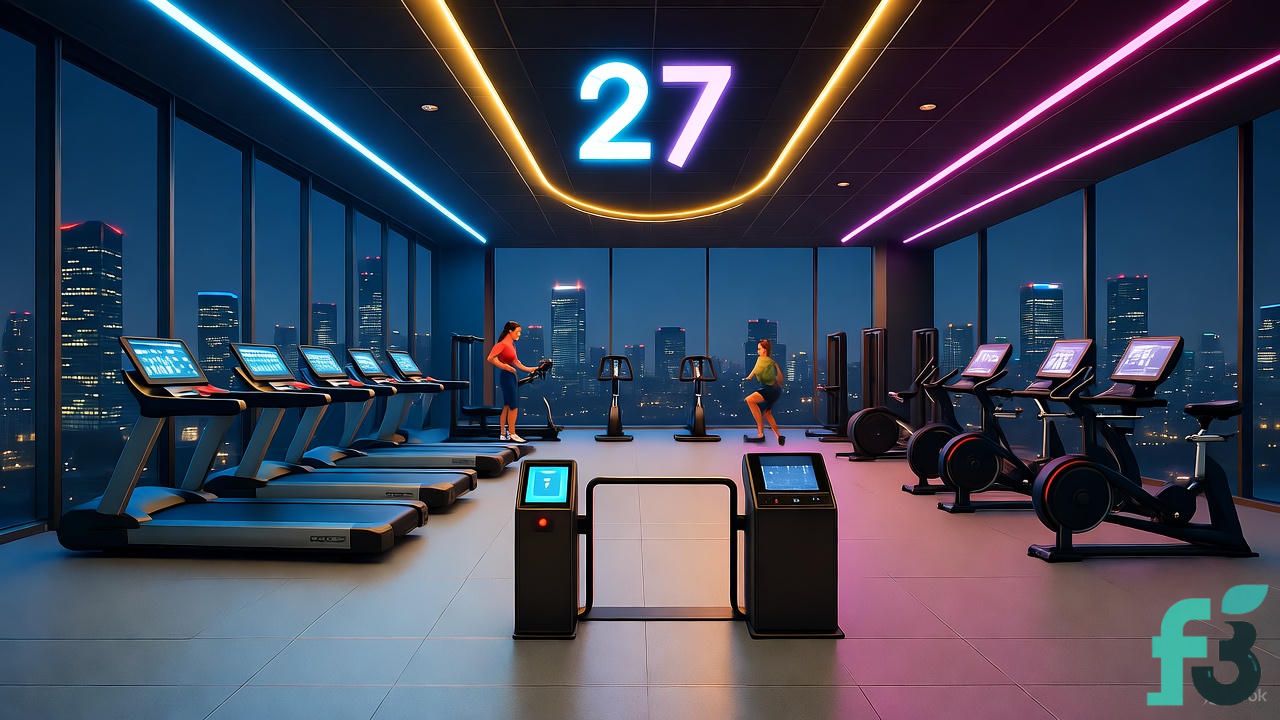
Japan has always been at the forefront of innovative health and wellness practices, and 2025 marks a revolutionary shift in how Japanese people approach fitness. Following the viral Japanese walking fitness trend that captured global attention, a new phenomenon is reshaping the country’s health landscape: the convenience gym fitness trend. This groundbreaking movement is democratizing fitness access and transforming traditional gym culture in unprecedented ways.
The convenience gym fitness trend represents no-frills, 24/7, ultra-affordable gyms designed specifically for busy people who want efficient, straightforward workouts without complications. This innovative approach is addressing Japan’s unique challenges, including long working hours, aging demographics, and the need for accessible health solutions that fit modern lifestyles.
The emergence of this fitness trend coincides with Japan’s broader health initiatives, including the World Expo Osaka 2025, which emphasizes “Designing Future Society for Our Lives.” As Japan faces rising healthcare costs and demographic challenges, the convenience gym model offers a practical, scalable solution that is rapidly gaining traction across urban and suburban areas.
Understanding the Convenience Gym Fitness Trend
What Makes This Fitness Trend Different
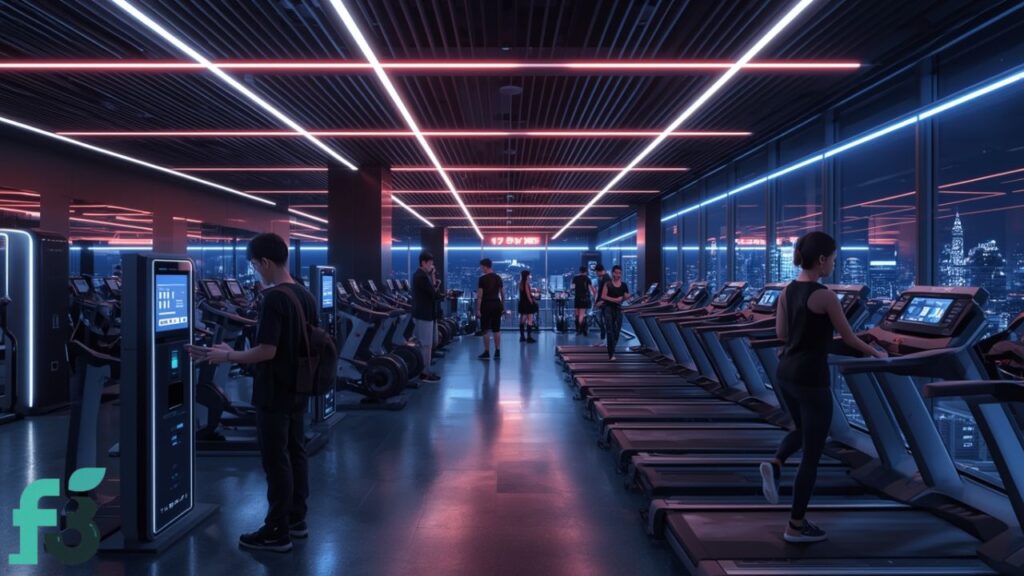
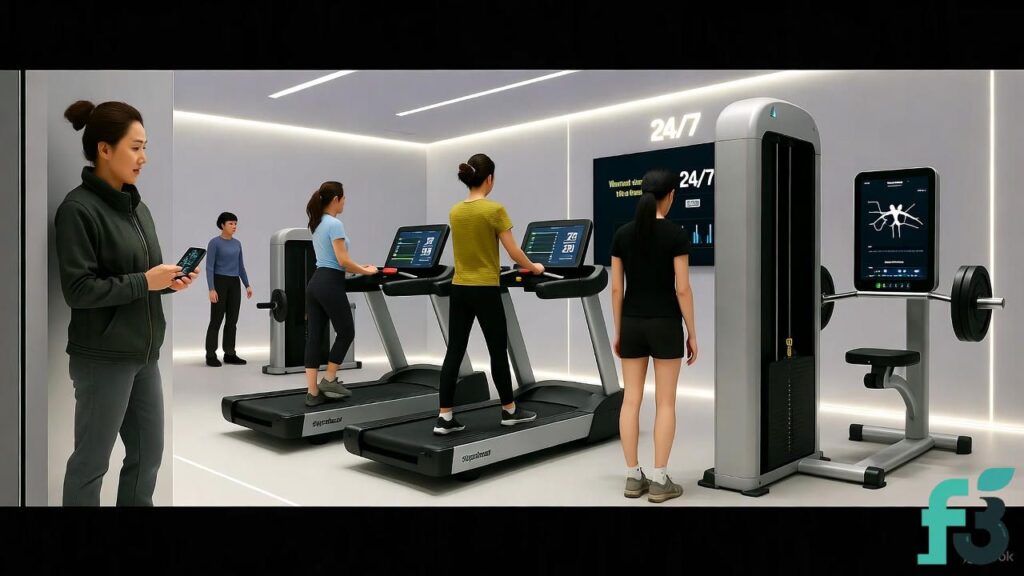
The convenience gym fitness trend fundamentally reimagines what a fitness facility should be. Unlike traditional gyms that offer extensive amenities, personal training, group classes, and spa facilities, convenience gyms strip away everything except the essentials: quality equipment, 24/7 access, and affordability.
This fitness trend allows people to exercise as an extension of their daily life, with some gyms even offering smartphone app entry and exit procedures plus training logs. The ease-of-use factor has earned these facilities quick acceptance across all generations, from working professionals to retirees seeking accessible fitness options.
Key characteristics of convenience gyms include:
Location Accessibility: Convenience gyms are strategically placed near train stations, residential areas, and business districts, making them easily accessible during commutes or daily routines.
Minimal Barrier to Entry: No need to change clothes or shoes in many facilities, eliminating time-consuming preparation that often discourages regular gym attendance.
Technology Integration: Smartphone-based access systems, digital training logs, and AI-powered workout recommendations make the experience seamless and personalized.
Cost-Effectiveness: Monthly memberships typically range from 3,000 to 8,000 yen, significantly lower than traditional gym memberships that can exceed 15,000 yen monthly.
The Rise of 24/7 Fitness Culture in Japan
Historical Context of This Fitness Trend
When Anytime Fitness first introduced 24-hour gym operations in Japan in 2011, it pioneered a completely new concept, growing profitably to 1,149 stores by Q1 2025. This explosive growth demonstrates the massive demand for flexible fitness solutions that accommodate Japan’s unique work culture and lifestyle patterns.
By 2025, over a third of the best gyms now operate 24/7, including unmanned convenience gyms, while English-speaking gym and personal training boutiques are appearing to cater to Tokyo’s growing international community. This evolution reflects both domestic demand and Japan’s increasing globalization.
The success of this fitness trend stems from several societal factors. Japan’s notorious work culture, where employees often work late into the evening, made traditional gym hours impractical for many professionals. The 24/7 model removes time constraints as a barrier to fitness, allowing individuals to exercise at 6 AM before work, during lunch breaks, or at midnight after finishing overtime.
Demographics Driving the Fitness Trend
Interestingly, the convenience gym fitness trend appeals to diverse age groups. While younger professionals appreciate the flexibility and modern technology integration, older adults value the accessibility and straightforward nature of these facilities. Japan’s aging population, where people between 50 and 70 years represent the largest fitness expenditure demographic, particularly benefits from the non-intimidating environment these gyms provide.
Technology Integration in Japan’s Fitness Trend
Smart Fitness Solutions Revolutionizing Workouts
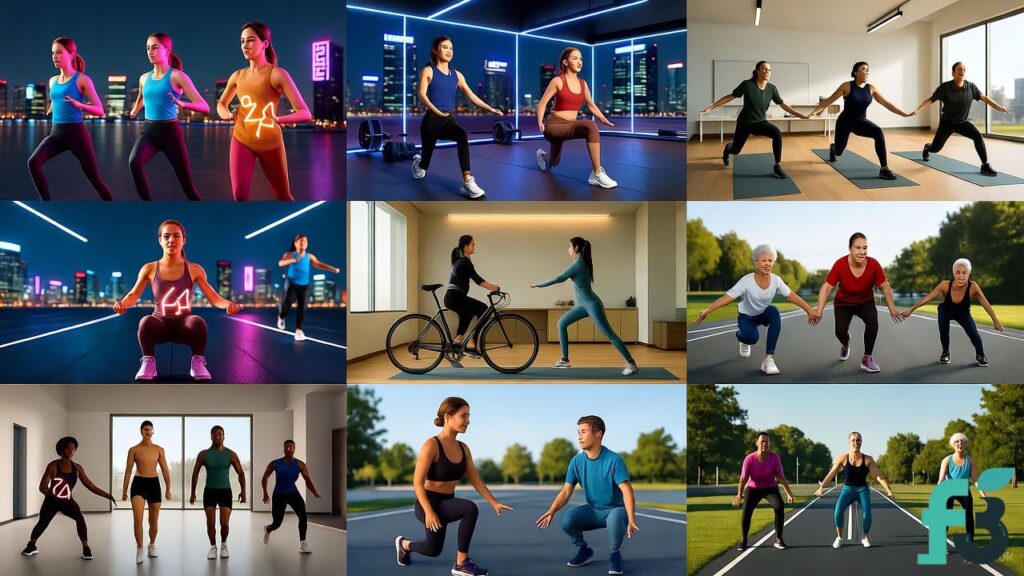
Japan’s 2025 fitness innovations combine AI mirrors and ancient practices, with biohacking enhancing workout effectiveness. This fusion of cutting-edge technology with traditional Japanese wellness principles creates a unique fitness ecosystem that maximizes results while respecting cultural values.
AI-Powered Fitness Technology:
Modern convenience gyms increasingly incorporate artificial intelligence to personalize workout experiences. AI mirrors analyze form and technique in real-time, providing instant feedback to prevent injuries and maximize efficiency. These systems track progress over time, adjusting recommendations based on individual performance data and goals.
Biohacking Integration:
The convenience gym fitness trend embraces biohacking principles, incorporating recovery optimization, sleep tracking integration, and nutritional guidance through connected apps. Members can monitor heart rate variability, track recovery metrics, and receive science-based recommendations for workout timing and intensity.
Smartphone App Ecosystem:
Comprehensive mobile applications serve as the central hub for the convenience gym experience. Users can check equipment availability in real-time, reserve specific machines during peak hours, access video tutorials for proper form, track workout history and progress metrics, and receive personalized workout plans based on goals and available time.
Health Benefits of the Convenience Gym Fitness Trend
Physical Health Improvements
The convenience gym fitness trend directly addresses Japan’s public health challenges. Countries facing rising healthcare costs and aging demographics can learn from Japan’s model of simple, inclusive, community-based exercise offerings. By removing barriers to regular exercise, these gyms contribute to significant health improvements across the population.
Cardiovascular Health Enhancement:
Regular access to cardio equipment helps members maintain heart health, reduce blood pressure, and improve circulation. The convenience factor encourages consistency, which is crucial for cardiovascular benefits. Studies show that even 20-30 minutes of moderate cardio three to four times weekly significantly reduces heart disease risk.
Strength Training Benefits:
Convenience gyms typically focus on strength training equipment, which is particularly important for Japan’s aging population. Regular resistance training helps maintain bone density, prevents sarcopenia (age-related muscle loss), improves metabolic health and glucose regulation, and enhances functional fitness for daily activities.
Weight Management:
The accessibility of 24/7 gyms supports sustainable weight management strategies. Members can fit workouts into their schedules without excuse, making it easier to maintain caloric expenditure consistent with health goals. This flexibility particularly benefits shift workers and those with irregular schedules.
Mental Health and Well-being
The convenience gym fitness trend also addresses mental health, an increasingly important topic in Japanese society. Regular exercise has been shown to reduce symptoms of depression and anxiety, improve sleep quality and cognitive function, enhance stress management capabilities, and boost self-esteem and confidence.
The non-intimidating atmosphere of convenience gyms, often less crowded than traditional facilities, creates a comfortable environment for those experiencing social anxiety or body image concerns. The ability to work out during off-peak hours allows for privacy and personal space that many Japanese people value.

Economic Impact of Japan’s Fitness Trend
Market Growth and Industry Expansion
The convenience gym sector represents one of the fastest-growing segments in Japan’s fitness industry. The market has experienced double-digit annual growth rates, with projections suggesting continued expansion through 2030. This growth creates employment opportunities, stimulates local economies, and attracts foreign investment in the Japanese fitness sector.
Investment and Franchising Opportunities:
Major fitness chains are aggressively expanding their convenience gym footprints. Domestic operators like Fast Fitness Japan and international brands like Anytime Fitness are opening new locations monthly. The franchise model has proven particularly successful, allowing entrepreneurs to enter the fitness industry with established systems and brand recognition.
Economic Accessibility:
By dramatically reducing membership costs, the convenience gym fitness trend makes regular exercise financially accessible to broader demographics. This democratization of fitness has significant public health implications, as lower-income individuals who previously couldn’t afford gym memberships now have affordable options.
Comparing Convenience Gyms to Traditional Fitness Centers
Advantages of the Convenience Gym Fitness Trend
| Feature | Convenience Gyms | Traditional Gyms |
|---|---|---|
| Operating Hours | 24/7 Access | Limited Hours (6 AM – 11 PM typical) |
| Monthly Cost | ¥3,000 – ¥8,000 | ¥10,000 – ¥20,000+ |
| Equipment Focus | Strength & Cardio Essentials | Comprehensive Equipment Selection |
| Amenities | Minimal (lockers, water) | Extensive (pools, saunas, studios) |
| Staff Presence | Often Unmanned | Full Staff Including Trainers |
| Group Classes | Rarely Offered | Wide Variety Available |
| Entry Requirements | Smartphone App/Card | Front Desk Check-in |
| Changing Facilities | Limited or None | Full Locker Rooms with Showers |
| Personal Training | Usually Not Available | Available with Additional Fees |
| Contract Flexibility | Month-to-Month Common | Long-term Contracts Common |
| Technology Integration | High (Apps, AI, Smart Equipment) | Variable |
| Social Atmosphere | Minimal Interaction | Community-Focused |
When to Choose Each Option
If you need straightforward exercise without overcomplication, convenience gyms are fantastic options that are cheap, open 24/7, and super easy to use, though traditional gyms are better for those who love group workouts, need personal trainers, or want spa-level amenities.
Convenience Gyms Excel For:
Busy professionals with unpredictable schedules who need maximum flexibility for workout timing. Budget-conscious individuals seeking affordable fitness solutions without sacrificing quality equipment. People who prefer solo workouts and minimal social interaction during exercise. Those living near multiple locations who value accessibility and convenience. Fitness enthusiasts who follow self-directed programs and don’t require instructor guidance.
Traditional Gyms Better Serve:
Individuals seeking comprehensive amenities like pools, saunas, and spa services. People who thrive in group fitness classes and enjoy the social aspects of working out. Beginners who benefit from personal training and professional guidance. Athletes requiring specialized equipment or facilities not available in convenience gyms. Those who view the gym as a social hub and community gathering place.
Integration with Other Japanese Fitness Trends
The Japanese Walking Fitness Trend Connection
The convenience gym fitness trend complements other viral Japanese fitness phenomena, particularly the Japanese walking trend. Recent fitness trends like Zone 2 training and Japanese walking are driving conversations around the best exercise methods and staying fit without intense workouts.
The Japanese walking fitness trend emphasizes low-intensity, sustainable movement that can extend life expectancy by up to seven years according to experts. This approach aligns philosophically with convenience gyms, which prioritize consistency and accessibility over intensity and complexity. Many gym members combine both practices, using convenience gyms for strength training while incorporating Japanese walking principles into their daily routines.
Hot Yoga and Wellness Integration
Hot yoga has become a widely embraced fitness and wellness practice in Japan, offering balance of physical exercise, relaxation, and detoxification, practiced in heated rooms around 35-40°C with high humidity. While convenience gyms don’t typically offer hot yoga studios, the broader trend toward holistic wellness influences how people use these facilities.
Many convenience gym members incorporate yoga and stretching routines alongside strength and cardio training, creating comprehensive fitness programs that address flexibility, strength, and cardiovascular health. The 24/7 access allows individuals to structure workouts around specialized classes they may take elsewhere.
The Role of Community in Modern Fitness Trends
Building Connections in Digital Spaces
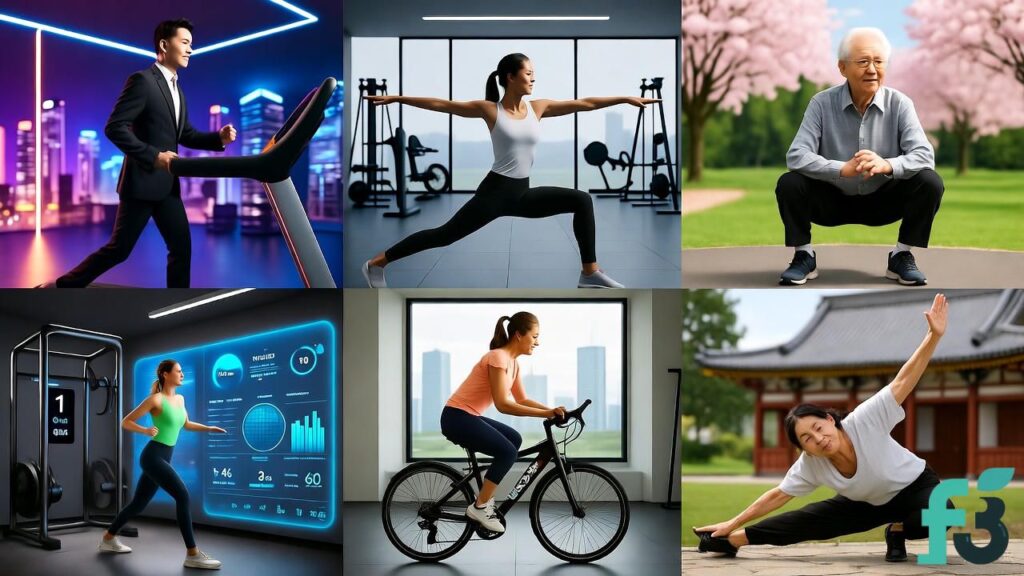
Japan’s model of community-based exercise offerings demonstrates how simple, inclusive approaches can address healthcare costs and demographic challenges. Despite the often-unmanned nature of convenience gyms, community still plays a crucial role in this fitness trend.
Digital communities have emerged around convenience gym culture. Social media groups, workout-sharing apps, and online forums connect members who may never meet in person but share tips, celebrate achievements, and provide mutual encouragement. This digital-first approach to fitness community reflects broader societal trends and appeals particularly to younger generations.
Virtual Accountability Partners:
Many gym-goers use apps to find workout partners with similar schedules and goals, creating accountability without requiring traditional gym buddy arrangements. These partnerships leverage technology to provide motivation and consistency support while maintaining the flexibility and independence that convenience gyms offer.
Nutritional Considerations for Gym Members
Fueling Your Fitness Trend Success
Achieving fitness goals requires proper nutrition alongside regular exercise. Japanese dietary traditions offer excellent frameworks for supporting active lifestyles. Studies show lower rates of depressive symptoms among working-age people consuming Japanese-style diets including rice, miso soup, and fish.
Traditional Japanese Diet Benefits for Fitness:
The traditional Japanese diet naturally supports fitness goals through several mechanisms. Rice provides sustained energy for workouts without excessive processing. Miso soup delivers probiotics and nutrients that support recovery and immune function. Fish offers high-quality protein and omega-3 fatty acids crucial for muscle recovery and reducing inflammation. Fermented foods support gut health, which increasingly is recognized as vital for overall wellness and athletic performance.
Practical Nutrition Strategies:
Convenience gym members can optimize results by focusing on meal timing around workouts. Eating protein-rich meals within 2 hours post-workout maximizes muscle recovery and growth. Staying hydrated throughout the day, not just during exercise, supports performance and recovery. Balancing macronutrients according to workout intensity and personal goals ensures adequate fuel. Minimizing processed foods while embracing whole food sources improves energy levels and body composition.
Success Stories and Case Studies
Real-World Impact of the Fitness Trend
The convenience gym fitness trend has transformed countless lives across Japan. Success stories highlight the diverse benefits beyond physical fitness improvements.
Case Study: Tokyo Salary Worker
Tanaka-san, a 34-year-old office worker in Tokyo, struggled with consistency at traditional gyms due to unpredictable work hours. After joining a convenience gym near his train station, he established a routine of 30-minute workouts three times weekly at 10 PM. Over six months, he lost 8 kilograms, reduced stress levels, improved sleep quality, and reported increased workplace productivity.
Case Study: Senior Fitness Enthusiast
Yamamoto-san, a 67-year-old retiree, was intimidated by traditional gyms’ social atmosphere and complex equipment. The convenience gym model’s simplicity and often-empty early morning hours provided the perfect environment. Using smartphone app tutorials, she learned proper form for resistance training, preventing the muscle loss common in aging. After one year, she demonstrated improved balance, increased bone density, and enhanced functional fitness for daily activities.
Case Study: Shift Worker
Sato-san, a nurse with rotating hospital shifts, found 24/7 access essential for maintaining fitness despite irregular schedules. The convenience gym allowed workouts at 3 AM after night shifts or 2 PM between split shifts. This flexibility helped her maintain consistent exercise habits regardless of work demands, resulting in sustained energy levels and improved stress management.

Challenges and Limitations of Convenience Gyms
Understanding the Trade-offs
While the convenience gym fitness trend offers numerous advantages, honest assessment requires acknowledging limitations and potential drawbacks.
Equipment Limitations:
Convenience gyms prioritize space efficiency, typically offering fewer machine variations than traditional gyms. Advanced lifters seeking specialized equipment may find selections limiting. Powerlifting enthusiasts, Olympic weightlifters, and athletes requiring sport-specific training tools often need to supplement with traditional gym access.
Lack of Professional Guidance:
The unmanned model means beginners lack immediate access to trainers for form correction and program design. While smartphone apps provide tutorials, they cannot replace real-time coaching. This limitation increases injury risk for those unfamiliar with proper exercise techniques.
Minimal Social Interaction:
For individuals who derive motivation from group settings and social connections, convenience gyms may feel isolating. The absence of classes and limited member interaction can reduce adherence for socially-motivated exercisers.
Overcrowding During Peak Hours:
Despite 24/7 access, popular locations experience crowding during lunch hours and early evening. Limited equipment means wait times can occur, somewhat negating the convenience factor during these periods.
Future of Japan’s Fitness Trend
Emerging Innovations and Predictions
The convenience gym fitness trend continues evolving with technological advances and changing consumer preferences. Several developments are shaping the sector’s future trajectory.
Virtual Reality Integration:
Next-generation convenience gyms are exploring VR technology to enhance solo workouts. Immersive experiences transform mundane cardio sessions into engaging adventures, increasing adherence and enjoyment. Virtual group classes allow social interaction while maintaining convenience gym flexibility.
Advanced Biometric Tracking:
Future facilities will likely incorporate comprehensive biometric monitoring integrated throughout equipment. Real-time tracking of heart rate variability, blood oxygen levels, and other markers will enable precise workout optimization and recovery monitoring.
Hybrid Membership Models:
Recognizing that different workouts require different environments, emerging hybrid memberships combine convenience gym access with periodic traditional gym privileges. This model allows strength training at convenient locations while accessing pools, classes, or specialized equipment at flagship facilities as needed.
Sustainability Focus:
Environmental consciousness is influencing gym design and operations. Future convenience gyms will increasingly feature energy-generating equipment, renewable power sources, water conservation systems, and eco-friendly building materials, aligning with broader Japanese sustainability values.
Maximizing Your Convenience Gym Experience
Practical Tips for Success
To fully capitalize on the convenience gym fitness trend, strategic approaches enhance results and satisfaction.
Establish Consistent Routines:
Despite 24/7 availability, successful members typically establish regular workout times. Consistency builds habits that become automatic, reducing decision fatigue about when to exercise. Even with flexible access, creating structure improves adherence.
Create Structured Programs:
Without trainers providing direction, self-directed programs are essential. Numerous apps offer free or low-cost workout plans designed for typical convenience gym equipment. Following structured programs prevents aimless workouts and ensures progressive overload for continued improvements.
Track Progress Systematically:
Use smartphone apps or notebooks to log workouts, tracking exercises, weights, repetitions, and perceived exertion. Regular progress photos and measurements provide motivation when scale weight plateaus. Data-driven approaches help identify what works and what needs adjustment.
Learn Proper Form:
Invest time initially in learning correct exercise technique through video tutorials, online coaching resources, or occasional personal training sessions at traditional gyms. Proper form prevents injuries that can derail fitness journeys and maximizes exercise effectiveness.
Respect Equipment and Facilities:
The unmanned convenience gym model relies on member responsibility. Wiping down equipment after use, reracking weights properly, and respecting quiet hours maintains facility quality for all members. This collective responsibility ethic aligns with Japanese cultural values.
Safety Considerations in 24/7 Facilities
Protecting Yourself During Solo Workouts
The unmanned nature of many convenience gyms requires heightened personal safety awareness, particularly during overnight hours.
Physical Safety Protocols:
Always inform someone of your workout location and expected return time, especially during late-night sessions. Keep mobile phones accessible with emergency contacts programmed. Familiarize yourself with emergency exits and procedures upon joining. Start with lighter weights when trying new exercises without spotters. Use safety equipment like power rack safety pins when performing exercises like squats and bench press.
Security Measures:
Modern convenience gyms implement robust security including 24/7 video surveillance, smartphone-based entry tracking, panic buttons in strategic locations, and well-lit facilities and parking areas. Members should nonetheless remain aware of surroundings and trust instincts if feeling uncomfortable.
Health Precautions:
Without staff present to respond to medical emergencies, personal health awareness becomes critical. Members with cardiovascular conditions, diabetes, or other health concerns should consult physicians before beginning exercise programs. Carrying medical alert information and emergency contacts is prudent. Recognizing warning signs like chest pain, severe shortness of breath, or dizziness and stopping exercise immediately is essential.
Global Influence of Japan’s Fitness Trend
International Adoption and Adaptation
The convenience gym fitness trend pioneered in Japan is influencing global fitness culture. International markets are adapting the model to local contexts while maintaining core principles.
Western Market Adaptations:
North American and European markets are embracing 24/7 gym concepts, though implementation differs from Japan’s model. Western convenience gyms often maintain more staff presence and offer hybrid models combining convenience gym efficiency with traditional amenities. Cultural differences in space utilization and social expectations shape how the concept translates across contexts.
Asian Market Expansion:
Other Asian nations facing similar demographic and urbanization challenges are rapidly adopting convenience gym models. South Korea, Taiwan, and Singapore have seen explosive growth in 24/7 unmanned facilities. These markets often incorporate local cultural elements while maintaining the core convenience gym philosophy.
Lessons for Global Health:
Countries worldwide facing rising healthcare costs and aging demographics can learn from Japan’s model of simple, inclusive, community-based exercise offerings. The convenience gym approach demonstrates that reducing barriers to fitness access can significantly impact public health at population levels.
Integration with Workplace Wellness Programs
Corporate Adoption of the Fitness Trend
Progressive Japanese companies are incorporating convenience gym partnerships into employee wellness initiatives, recognizing that healthy employees are more productive, take fewer sick days, and demonstrate higher job satisfaction.
Corporate Membership Programs:
Many businesses now offer subsidized or fully-paid convenience gym memberships as employee benefits. The relatively low cost compared to traditional gym memberships makes this benefit affordable even for small to medium enterprises. Some companies negotiate group rates or corporate locations with extended employee-only hours.
Workplace Fitness Culture:
The convenience gym fitness trend supports evolving workplace wellness culture. Lunchtime workout options become realistic when gyms are located near offices and require minimal preparation time. Morning exercise before work becomes feasible when facilities are accessible and efficient. Post-work stress relief through exercise is encouraged rather than after-work drinking culture.
Productivity Benefits:
Research consistently demonstrates that regular exercise improves cognitive function, decision-making capabilities, and stress management. Companies investing in employee fitness through convenience gym programs report improved overall productivity, reduced healthcare costs over time, enhanced employee morale and retention, and decreased absenteeism due to health issues.
Environmental Considerations
Sustainability in the Fitness Trend
As environmental consciousness grows globally, the convenience gym fitness trend is adapting to incorporate sustainability principles aligned with Japanese values of resource conservation and environmental stewardship.
Energy Efficiency:
Modern convenience gyms increasingly feature energy-efficient LED lighting systems, smart HVAC systems that adjust based on occupancy, and high-efficiency exercise equipment that minimizes power consumption. Some facilities are pioneering energy-generating equipment that converts workout effort into electricity for facility use.
Waste Reduction:
The minimalist convenience gym model naturally generates less waste than traditional facilities. Without cafes, towel services, or extensive amenities, consumption of disposables decreases. Digital systems replace paper forms and documentation. Durable, long-lasting equipment reduces replacement frequency and associated waste.
Sustainable Construction:
Newer convenience gyms incorporate environmentally friendly building materials, water conservation systems, and renewable energy sources where feasible. Green building certifications are becoming more common as environmental concerns influence consumer preferences.
Addressing Common Misconceptions
Myths vs. Reality of Convenience Gyms
Several misconceptions about the convenience gym fitness trend persist, potentially deterring people who might benefit from this model.
Myth: Convenience Gyms Lack Quality Equipment
Reality: While equipment selection is more focused than traditional gyms, convenience gyms typically feature high-quality strength training and cardio equipment from reputable manufacturers. The strategic selection covers fundamental exercises necessary for comprehensive fitness programs.
Myth: You Can’t Build Muscle at Convenience Gyms
Reality: Muscle building primarily requires progressive overload, proper nutrition, and recovery rather than exotic equipment. Convenience gym equipment provides everything necessary for effective muscle development through fundamental compound movements and strategic isolation exercises.
Myth: Unmanned Gyms Are Unsafe
Reality: Modern security systems, including 24/7 video surveillance, smartphone-tracked entry, emergency contact systems, and well-lit facilities, make convenience gyms secure environments. Crime rates at these facilities are comparable to or lower than traditional gyms.
Myth: Beginners Need Traditional Gym Guidance
Reality: While professional guidance is valuable, modern smartphone apps, video tutorials, and online resources provide sufficient instruction for most beginners to start safely. The less intimidating atmosphere of convenience gyms may actually benefit newcomers who feel overwhelmed in traditional settings.
Financial Analysis for Potential Members
Cost-Benefit Evaluation of the Fitness Trend
Understanding the financial value of convenience gym memberships helps individuals make informed decisions about fitness investments.
| Expense Category | Convenience Gym (Monthly) | Traditional Gym (Monthly) | Annual Difference |
|---|---|---|---|
| Base Membership | ¥3,000 – ¥8,000 | ¥10,000 – ¥20,000 | ¥84,000 – ¥144,000 |
| Initiation Fees | ¥0 – ¥5,000 (one-time) | ¥10,000 – ¥30,000 (one-time) | ¥5,000 – ¥25,000 |
| Personal Training | Not Available | ¥5,000 – ¥15,000/session | Variable |
| Parking Fees | Usually Free | ¥300 – ¥500/visit | ¥14,400 – ¥24,000 |
| Workout Clothes | Minimal Required | Full Workout Wardrobe | ¥20,000 – ¥50,000 |
| Time Value | 30 min total | 60-90 min total | Significant |
Total Annual Savings:
Members switching from traditional to convenience gyms typically save ¥120,000 to ¥240,000 annually when accounting for direct costs and time value. These savings can be redirected toward nutritional improvements, home exercise equipment, or other wellness investments.
Return on Investment:
The relatively low cost of convenience gym memberships means breaking even requires minimal usage. Attending just 2-3 times weekly provides excellent value compared to pay-per-visit options or premium traditional memberships. The convenience factor increases actual attendance rates, improving real return on investment beyond simple cost analysis.
Conclusion: The Future of Accessible Fitness
The convenience gym fitness trend represents more than a temporary fad; it reflects fundamental shifts in how modern society approaches health and wellness. By eliminating traditional barriers—time constraints, financial burdens, social intimidation, and location inconveniences—this model democratizes fitness in ways previously impossible.
Japan’s model of simple, inclusive, community-based exercise offerings demonstrates valuable lessons for countries facing rising healthcare costs and aging demographics. The convenience gym fitness trend proves that accessibility and consistency often matter more than amenity comprehensiveness for achieving health goals.
As technology continues advancing and cultural attitudes toward fitness evolve, the convenience gym model will likely further develop. Integration of virtual reality, advanced biometric tracking, personalized AI coaching, and hybrid membership options will enhance experiences while maintaining the core advantages that make this fitness trend successful.
For individuals seeking sustainable fitness solutions that accommodate busy modern lifestyles, convenience gyms offer compelling advantages. The combination of 24/7 access, affordable pricing, quality equipment, and technology integration creates an ecosystem where regular exercise becomes realistic rather than aspirational.
The convenience gym fitness trend ultimately succeeds because it recognizes a fundamental truth: the best exercise program is the one you’ll actually follow. By removing obstacles and simplifying access, this model helps more people maintain consistent fitness habits that improve health, extend longevity, and enhance quality of life. As Japan continues innovating in health and wellness, the convenience gym fitness trend stands as a model for accessible, sustainable, and effective approaches to population-wide fitness improvements.
Professional Resources and Further Information
Japan Health & Fitness Association
(Note: yeh shayad “Japan Health & Nutrition Food Association” hai)
— https://www.jhnfa.org/english-info.html jhnfa.org
Ministry of Health, Labour and Welfare (Japan)
— https://www.mhlw.go.jp/english/ Ministry of Health, Labour and Welfare+1
Japan Sports Agency (under MEXT)
— https://www.mext.go.jp/sports/en/index.htm mext.go.jp+1
FAQs
Q1: What is trending in workouts in 2025?
A: In 2025, Japan’s fitness scene is dominated by 24/7 smart gyms, AI-powered training, and compact “convenience gyms” for busy urban lifestyles.
Q2: How popular are gyms in Japan?
A: Gym memberships in Japan have surged, especially among young professionals, with 24-hour gyms becoming a mainstream trend across major cities.
Q3: What is the next absurd fitness trend?
A: “VR sweat sessions” and robotic personal trainers are emerging as Japan’s next wild fitness experiments.
Q4: What do Japanese do for workouts?
A: Most Japanese mix gym training with outdoor activities like walking, cycling, yoga, and traditional radio calisthenics (“Rajio Taiso”).